
Quick answer: The fastest way to tell if a book marketer or reviewer is legitimate is to look at the direction of the relationship. Real professionals build a connection before they sell, have a traceable history you can verify, and come recommended inside a vetted community. If someone cold-emails you asking for payment, shows suspiciously flawless work with no human fingerprints, or cannot be found anywhere else online, treat those as red flags and slow down before you pay.
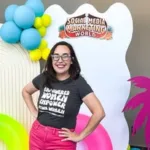
I’m Raewyn Sangari, a book marketing strategist, the social media expert for the Women in Publishing (WIP) Society, and the creator of the Instagram for Authors course. I’m also a book reviewer. I’ve watched the same scam artist resurface in our industry for nearly a decade under different names and niches, and I’ve watched AI make convincing fakes cheaper than ever. Here’s how author friends can tell the real book professionals from the people just running a play.
What are the signs a book marketer or reviewer is a scam?
A scam book marketer or reviewer is someone who poses as a legitimate professional to take an author’s money without delivering real value. The most common warning signs are unsolicited outreach that leads with a paid offer, work that looks too polished to be human, claimed credentials with no verifiable history, and pressure to pay before any relationship exists.
The single loudest signal is the direction of the pitch. Legitimate professionals build a relationship with you before they sell you anything. Connection comes first, the offer comes later. When that order shows up backwards, trust the backwards.
Should a legitimate book marketer or reviewer reach out to me first?
Usually not in the way scammers do. If a book reviewer or a marketing company contacts you out of the blue and asks you to pay them, that is one of the biggest tells there is.
Working book marketers and reviewers do not have time to cold-message strangers asking them to hand over money. The real ones are busy doing the work. Cold outreach that opens with an invoice is a numbers game, not a relationship. Real professionals earn your trust through visibility, referrals, and genuine connection long before any money changes hands.
Why is it harder to spot fake experts now?
Because looking legitimate has become almost free. In the past, a fraudster had to at least get on a call and rehash advice to seem credible. Today, AI can generate a polished portfolio in minutes, testimonials can be invented, sales funnels look professional straight out of the box, and credentials can be typed onto an about page by anyone, about anyone.
This flips an old rule. Authors used to treat a flawless feed and spotless copy as proof someone had it together. Now perfection is cheap to manufacture, so a too-perfect presence is a reason to look closer, not to relax. Real humans leave fingerprints: a typo, an off-brand photo, a caption that rambles a little. Those small imperfections are now some of the most reassuring proof that a real person is behind the work.
How do I research someone before I hire them?
Do a few minutes of focused searching before any payment. Search the founder’s name, search the business name, and search both again with words like “scam” or “review” added. Look for a real history, other business names, and a consistent trail across platforms.
This step alone is how I have confirmed the same scam artist resurfacing in our industry years apart. A short search turned up the same person operating under a new niche. The internet has a long memory if you bother to ask it. If a person or company has almost no findable history, or a history that contradicts their pitch, that is your answer.
You can also read the profile itself. Fake and bot accounts tend to follow templates, like a generic username paired with a bio that lists a city, an astrology sign, and filler. When a profile feels assembled from a checklist instead of lived in, slow down.
Where can authors find vetted book marketing professionals?
The most reliable protection is a vetted community of authors and publishing professionals who talk to each other and share honest referrals. Ask in your community, message someone who has actually worked with the person, request references, and contact them. You are not being difficult by asking. You are being smart, and the professionals worth hiring will be glad you did.
For authors specifically, the Women in Publishing Community, founded by Alexa Bigwarfe, is one of the few places that brings authors and the publishing professionals who serve them into the same room. When recommendations come from a community like that, they carry weight because the people in it have actually been vetted and used, not because someone bought an ad or wrote their own glowing review.
The 5 red flags, at a glance
- The pitch is backwards. A reviewer or marketer cold-contacts you and asks you to pay them. Real pros build a relationship before they sell.
- It’s too perfect. Flawless is cheap to fake with AI now. Human fingerprints are reassuring.
- There’s no trail. A quick search of their name and business turns up little, or turns up contradictions.
- No one can vouch. No references, no community connection, no one in your circle has worked with them.
- The profile reads as a template. Generic username and a checklist bio with no real life behind it.
Get the free checklist
Knowing how to read an account and spot a fake is a skill, and it is one I teach as the social media expert for the WIP Society and through my Instagram for Authors course. To make it easy to remember, I turned the red flags above into a free one-page guide you can download, save, and share with an author friend.
Download 5 Red Flags Authors Should Watch for When Hiring a Book Marketing Pro and keep it on hand for the next time someone slides into your inbox with a too-good offer. Get the free checklist.
Frequently asked questions
Do legitimate book marketers ever cold-email authors? Some legitimate professionals do reach out, but they lead with connection and value, not an immediate request for payment. The red flag is unsolicited outreach that opens by asking you to pay, especially from a reviewer or company you have never interacted with.
Is it normal to pay for book reviews? Paying for honest editorial review services from established, transparent companies is common, but paying a stranger who cold-contacted you and guarantees positive reviews is a major warning sign. Verify the company’s history and reputation first.
How can I check if a book marketer is real? Search their name and business name, look for a consistent history across platforms, ask for and contact references, and confirm whether anyone in a trusted author community has worked with them.
Why does AI make book marketing scams harder to spot? AI lets anyone generate polished portfolios, fake testimonials, and professional-looking funnels in minutes, so a slick presence no longer proves legitimacy. Verification through history and real referrals matters more than appearance.
What should I do if I think I’ve been targeted by a scam? Stop before paying, research the person, ask your community, and warn other authors if you confirm it. Sharing what you find is how a community protects everyone in it.
Want to keep these red flags handy? Download the free checklist, 5 Red Flags Authors Should Watch for When Hiring a Book Marketing Pro, and I’ll send it straight to your inbox. Get the free checklist.
Get to know Raewyn Sangari

Raewyn Sangari
Book Marketing Expert & Social Media Educator
As Creative Director for the Women in Publishing Summit, Raewyn makes marketing feel approachable, creative, and community-driven. She leads the content strategy behind the brand’s workshops, events, and social presence, helping authors and book professionals grow their visibility with confidence.